
This summer, I did something I haven’t done in nearly three decades:
I went to rehearsal.
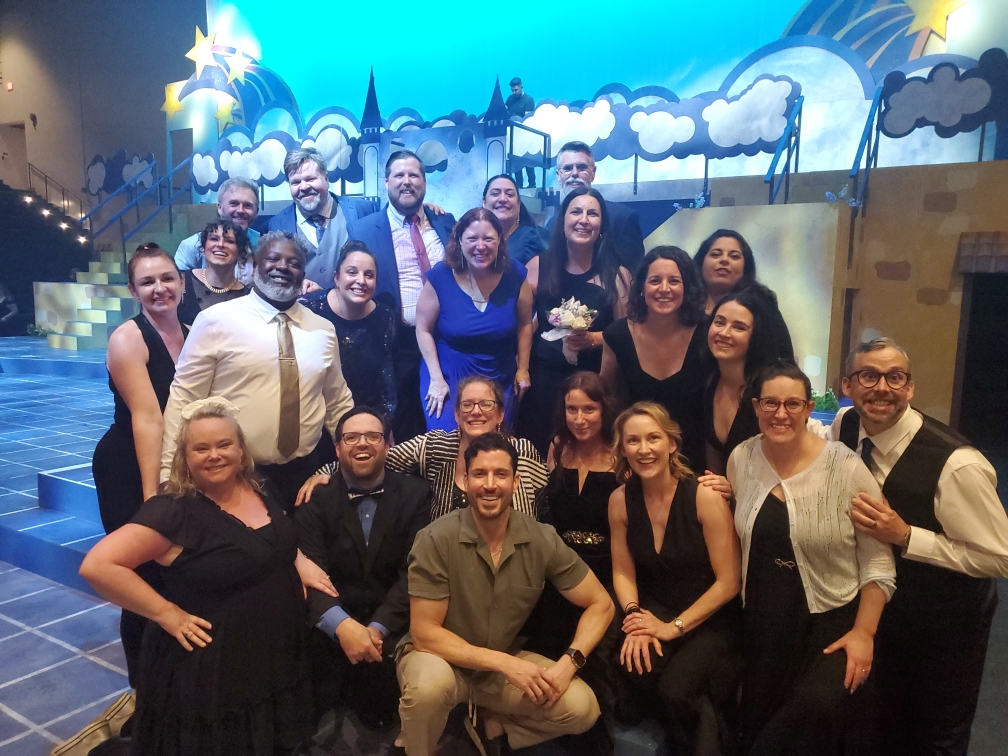
Not just any rehearsal—Summer Stage rehearsal. For two nostalgic, hectic, harmony-filled weeks, I joined nearly 180 alumni performers to celebrate the 50th anniversary of Upper Darby Summer Stage, a youth theater program that shaped my childhood and, in many ways, my calling to the nonprofit sector.
A Nervous Return
I was excited, of course. But I’ll admit—I was nervous before that first rehearsal. I imagined I’d be surrounded by familiar faces from my era. Instead, I walked into a rehearsal room filled with alumni 15–20 years older or younger than me, and I felt a momentary wave of disconnection.
But Summer Stage has always been a place of radical welcome. It didn’t take long for that feeling to dissolve. By the end of week one, I had made new friends—across generations—and rediscovered something I didn’t even realize I’d been missing.
When the Arts Become a Line Item
In the years since I last performed, Summer Stage has had to evolve—artistically, logistically, and financially. As public funding for programs like this has dried up (a too-familiar story for many of us in the nonprofit world), the Upper Darby Arts and Education Foundation was formed to keep the lights on and the curtains up. Today, it costs Summer Stage over $80,000 just to rent its longtime home at Upper Darby High School. That doesn’t include staff, sets, tech, or marketing.
So, alumni participating in the 50th anniversary performance were asked to make a donation—and encouraged to engage in peer-to-peer fundraising.
As a fundraiser by profession, this made perfect sense to me. But I noticed the discomfort it sparked in others. There was something about introducing money into the experience that felt—transactional. Like it risked sullying the magic.
The Why Over the What
When those conversations came up, I didn’t talk about rental fees or campaign goals. I asked a different question:
“Why does Summer Stage matter to you?”
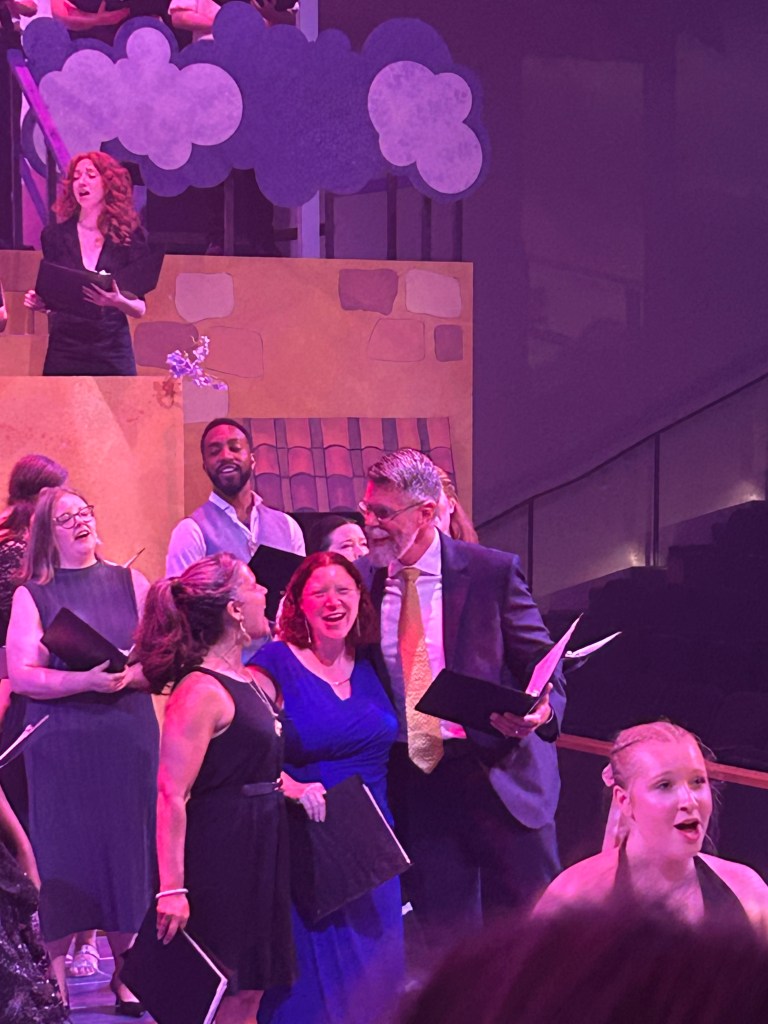
Because here’s the thing: people connect with authenticity, not spreadsheets. If we want our communities to support something, we can’t lead with budget lines—we have to lead with our hearts. The stories we carry. The transformation we’ve lived.
I shared my story—about the shy, creative kid who didn’t fit in at school but found belonging, purpose, and joy on that stage. And I encouraged others to do the same. The money followed.
What Fundraising Can Learn from Theater
I walked away from this experience reminded of something we often forget in nonprofit advancement: fundraising is more relational than rational. Just like theater, it works best when it builds connection. Just like theater, it starts with the “why.”
The 50th anniversary was some of the most fun I’ve had in years. It came and went in a flash, but it reconnected me with a community I love—and reminded me that when we tap into our stories, and invite others to join them, real transformation can happen.
I’m looking forward to what comes next—both for me as an alum, and for Summer Stage as it enters its next act.


Leave a Reply